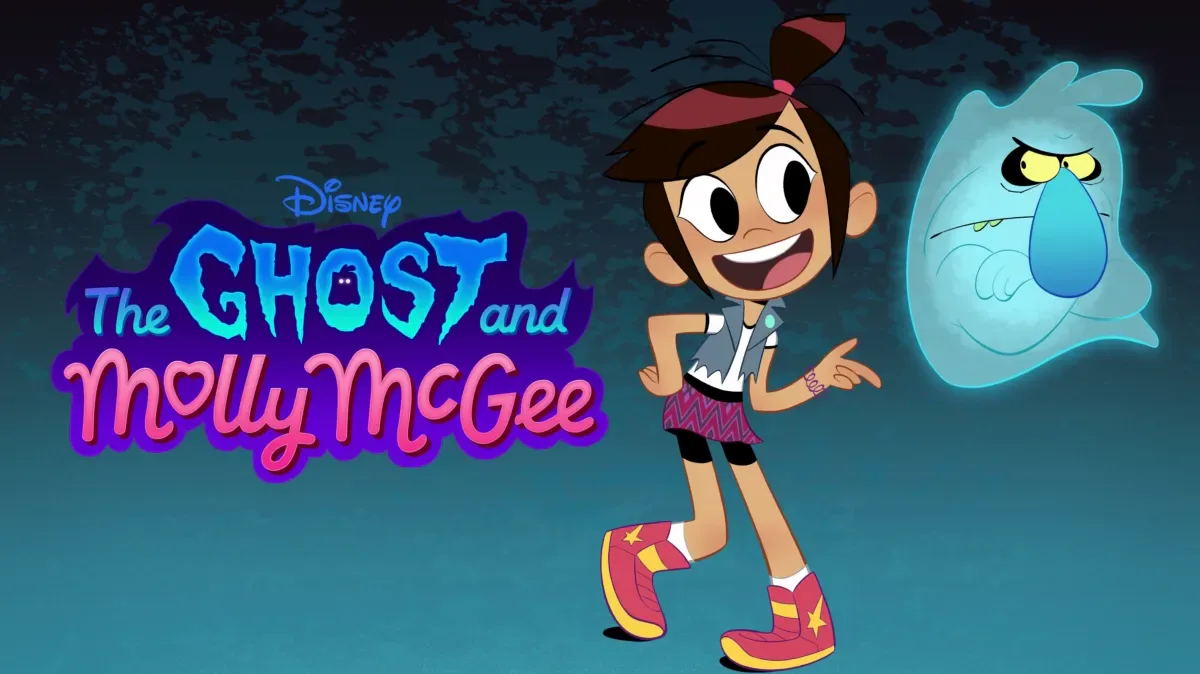
The Ghost And Molly Mcgee Shop Movie: Secrets Unveiled
Fans of quirky mystery cinema have been buzzing ever since The Ghost And Molly Mcgee Shop hit the festival circuit. The film blends vintage shop aesthetics with supernatural intrigue, promising more than just a simple ghost story. In this post, we peel back the layers, revealing the secrets that make the movie a cult favorite and exploring why its hidden details keep audiences talking.
The Ghost And Molly Mcgee Shop: Behind the Scenes Reveal
Production began in a refurbished 1920s department store in downtown Portland. The set designers meticulously restored original wooden counters, vintage signage, and even the historic revolving door. This authenticity gives the film its tactile charm, drawing viewers into a world that feels lived‑in.
Director Lina Morales chose to shoot on 35mm film, a decision that enhances the grainy, nostalgic feel. She believed the texture would mirror the ghost’s own faded presence. The crew worked long nights to capture the perfect low‑light ambience, using practical candles instead of modern LEDs to maintain consistency.
One lesser‑known fact is that the lead actress, Maya Torres, performed many of her own stunts. The scene where she slides down a hidden chute in the shop’s basement was done without wires, adding a raw, visceral energy that CGI often lacks.
Unraveling Hidden Symbolism and Easter Eggs
Every prop in the film carries meaning. For instance, the antique cash register on the counter doubles as a portal device. Its rhythmic ticking syncs with the ghost’s moans, hinting that time itself is a character.
Watch closely for the recurring motif of a silver key. It shows up in three distinct moments: tucked in a ledger, dangling from a necklace, and finally placed in the ghost’s hand. This key symbolizes unlocking the past, a central theme that ties Molly’s personal loss to the shop’s lingering spirit.
The soundtrack also hides clues. Composer Ethan Liu embedded a reversed lullaby from an old children’s show, audible only when the scene is played backward. Fans who discovered this secret have linked it to the ghost’s tragic backstory, suggesting she was once a child performer.
Audience Reactions and Cultural Impact
When the film debuted at the Sundance midnight screening, the theater erupted in spontaneous applause. Viewers praised its blend of humor and haunting, calling it “a love letter to forgotten storefronts.” Social media flooded with memes featuring the ghost’s signature grin, boosting the movie’s viral reach.
Critics highlighted the film’s commentary on gentrification. By setting the ghost in a shop threatened by modern chains, the narrative resonates with communities fighting to preserve local heritage. This relevance has sparked panel discussions at film festivals and urban planning conferences alike.
Even years after its release, The Ghost And Molly Mcgee Shop continues to inspire fan art, cosplay, and fan‑fiction. A Kickstarter campaign to create a limited‑edition board game based on the movie surpassed its goal, proving the story’s lasting appeal.
Conclusion
From its meticulously crafted set to the hidden symbolism that rewards attentive viewers, The Ghost And Molly Mcgee Shop offers a rich tapestry of mystery and nostalgia. Its secret details have turned a single film into a cultural phenomenon, sparking conversations that go far beyond the screen. Whether you’re a seasoned fan or a newcomer eager to explore its haunted aisles, the movie invites you to linger a little longer and uncover the stories waiting in the shadows.


